
You have definitely heard the phrase "Location, location, location."
Let’s dive deeper.
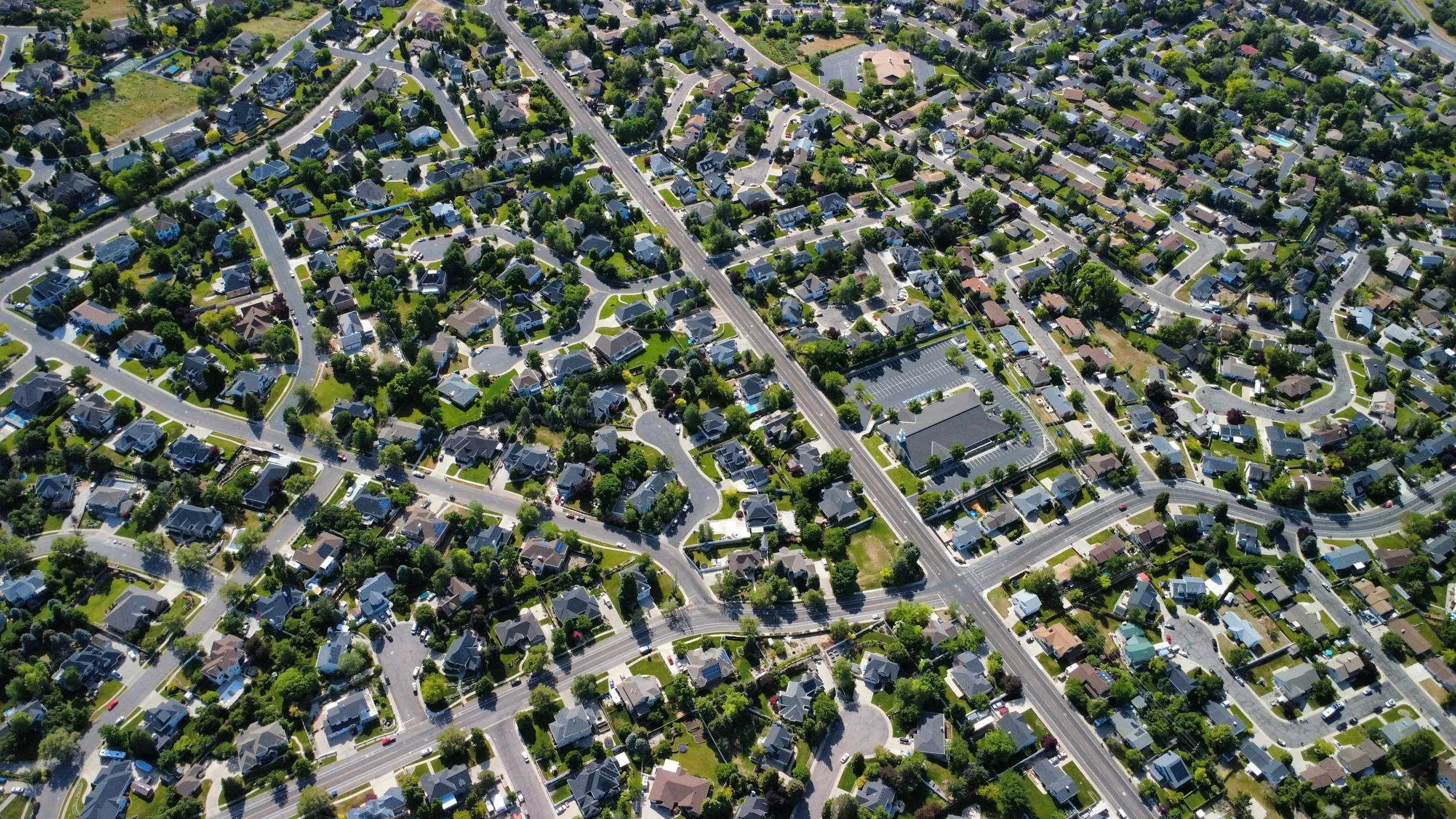
Many buyers focus on the things they can see inside a home, such as a beautiful kitchen, updated bathrooms, new flooring, or closet space. While these features are important, there is something else that can have an even bigger impact on your property's value: location.
A home can be renovated, redesigned, and updated over time. But its location will always stay the same.
1. Why Is Location So Important?
Location can have a major impact on a property's market value, how easy it is to sell, and the type of lifestyle you can enjoy.
Think about two condos with the same floor plan, similar square footage, and similar interior finishes.
One is located in a quiet neighbourhood, within walking distance of parks, grocery stores, restaurants, and public transit.
The other is next to a busy road, far from everyday services, and requires a car for almost everything.
Even though the two homes may look almost identical inside, Buyers may be willing to pay different prices for them. Why? Because people are not just buying a home. They are also paying for the neighbourhood and the lifestyle that comes with it.
A desirable location can attract more Buyers, create stronger demand, and help support property values over time.
2. What Does "Location" Actually Include?
Location is more than just the city or neighbourhood your home is in. There are many smaller details that can make a big difference. Here are some things to consider:
Neighbourhood and surroundings
Is the neighbourhood quiet, safe, and well-maintained?
Are there parks, green spaces, beach, and walking trails nearby?
Are there grocery stores, restaurants, cafes, and shops within walking distance?
Is the area growing or undergoing improvements?
Convenience and accessibility
How close is the property to public transit?
How long does it take to get to work?
Are schools, clinics, and other everyday services nearby?
Immediate surroundings
Is the property facing a busy road or a quiet residential street?
Is it located beside a commercial business or construction site?
Are there any nearby sources of noise or unpleasant smells?
Does it overlook a park, green space, or water view?
Is there enough privacy?
These small details can affect how enjoyable a home is to live in and how attractive it may be to future buyers.
3. How Can Location Affect Market Value?
Location can influence how much buyers are willing to pay for a property.
Walkability
A home within walking distance of grocery stores, coffee shops, restaurants, and parks may appeal to buyers who enjoy a convenient lifestyle
Look into a property’s walkscore!
Public transit
Homes close to train stations and major transit routes can attract Buyers who commute to work or prefer not to drive
Nearby parks and green spaces
Living near a park or walking trail can be a big advantage, especially for all-age families, dog owners, and people who enjoy outdoor activities
Schools and community facilities
For Buyers with children, access to schools, playgrounds, and community centres may be an important part of their decision.
Future Development
Consider: new transit stations, shopping areas, community facilities, and neighbourhood improvements may increase an area's appeal.
However, Buyers should also consider how nearby construction and future development could affect their property. (It may get too busy!)
Keep in mind that a good location does not guarantee that a property will increase in value. Market conditions, supply and demand, property condition, and many other factors also play a role.
4. What Should Buyers Look for When Choosing a Location?
Before falling in love with a property, take some time to explore the surrounding neighbourhood.
Here are a few questions I encourage buyers to ask themselves:
1. Does the location fit your daily lifestyle?
Think about your everyday routine.
Where do you work? How often do you drive? Do you enjoy walking to get groceries or grabbing coffee nearby?
A neighbourhood that works well for someone else may not necessarily work for you
2. Visit the neighbourhood at different times of the day.
A street may seem peaceful during an afternoon showing but feel very different during rush hour or late at night
If time permits, try visiting in the morning, evening, and on weekends to get a better understanding of the area
3. Look beyond the property itself.
Pay attention to the surrounding buildings, nearby businesses, traffic, noise levels, parking, and overall condition of the neighbourhood
Tip: open windows in each room of the home to test the traffic noise
5. You Can Renovate a Home, But You Cannot Renovate Its Location
This is probably the most important thing to remember.
You can replace old flooring, renovate a kitchen, update a bathroom, paint the walls, and make a home feel completely different
But you cannot move it closer to a train station. You cannot create a park next door. You cannot remove a busy highway or change the surrounding neighbourhood
That is why I always encourage Buyers to look beyond the interior finishes and pay attention to what surrounds the property.
A beautifully renovated home in a less desirable location may not always be a better purchase than a well-maintained home in a more desirable neighbourhood.
At the end of the day, the right choice depends on your budget, lifestyle, and long-term plans.
Final Thoughts
Buying a home is one of the biggest financial decisions you will make. It is easy to get caught up in beautiful interiors and attractive features, but don't forget to look outside the front door.
Think about your daily lifestyle, the surrounding neighbourhood, convenience, accessibility, and how the location may appeal to future buyers.
Remember, you can change almost everything about a home, but you cannot change where it is located. And that's exactly why location matters.
